


Each person is different in knowledge acquisition because of mental processing, personal disposition and the circumstances. With these differences, it is necessary to acknowledge them and develop significant learning opportunities that embrace diversity and encourage fair participation. By recognising the varying ways individuals internalise and interact with new information, they can be able to create responsive learning that promotes better understanding, fosters engagement and promotes academic development over a long period of time in a large variety of learning settings.
What Are Learner Types?
Learner types refers to various learners who receive, process and retain information in the process of learning. Each learner is different in preferences depending on cognitive abilities, experiences, motivation, as well as environment. This knowledge of the differences will enable educators and trainers to provide inclusive learning experiences that support the different needs as opposed to adopting the one-size-fits-all approach.
The identification of type of learners are of particular significance in the contemporary education and training environment, where the learners belong to diverse backgrounds and have different strengths. When the learning approaches are in harmony with the learning preferences, the engagement will increase, the understanding will become stronger, and the long term retention will be more effective. Such a realisation assists in achieving improved results among learners and teachers.
Common Categories of Learners
The most popular types of learners depend on the most optimal received and processed information. These types assist the educators to learn the learning behaviour patterns and make adjustments in the instructional patterns. Even though no learner can easily fit under a single classification, a lot of them will exhibit a dominating preference towards a particular learning style.
Knowing the kind of learners would facilitate teachers to design lessons that would have a combination of visuals, discussions, practical activities, and reflective exercises. This mode is in accordance with the professional teaching requirements and inclusive practice in compliance with Educator Standards whereby all learners have equal chances to excel.
Visual Learners
The visual learners learn visually hence they comprehend information well when it is illustrated in visual form in terms of diagrams, charts, images and videos. Mostly they like written instructions, colour-coded notes, and graphical representations, which can be used to structure complicated ideas into simple structures.
Such students prefer to memorise things by imagining, thus mind maps, infographics and slides are particularly very effective. When applied in classrooms or training settings, the use of visual elements increases the understanding and provides visual learners with interest in the entire learning process.
Auditory Learners
Auditory learners are best acquainted with listening and verbal learning. They enjoy the lectures, discussions, podcasts, and explanations in a voice format. Such learners tend to process information through talk and might welcome the group discussion or oral feedback.
In the case of auditory learners, tone, clarity and repetition are important in the learning process. Teachers that incorporate questioning and debates and verbal summaries can go a long way in enhancing the learning process of this kind of learners particularly in theory subjects.
Kinaesthetic Learners
Learners who are kinaesthetic learn best using physical activities, movements and hands on experiences. They like to learn through practices instead of listening or observation, so practical tasks and role-plays, as well as simulations, are especially effective with them.
These students usually have difficulties in taking up long durations of passive learning and excel in interactive situations. Experiments, demonstrations, and real world tasks are also useful in allowing kinaesthetic learners to relate theory with practise and memorise and retain better.
Cognitive and Behavioural Learner Types
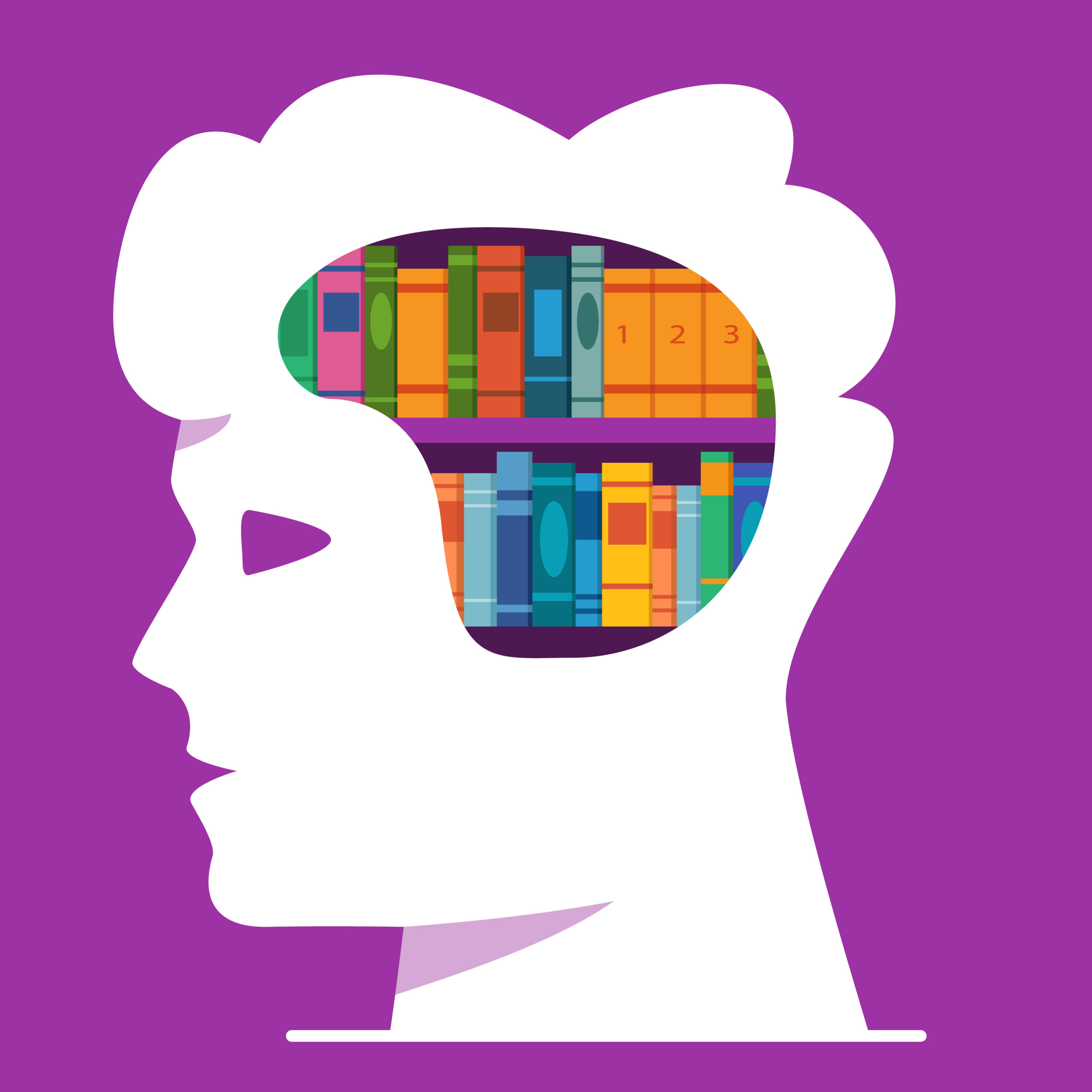
Other than sensory learning preferences, cognitive and behavioural patterns can also be used to understand learners. Such types of learners concentrate on the way in which people think, solve problems and react to structure or independence in the learning setting.
The identification of such patterns facilitates the ability of the educator to go beyond the surface of learning styles and design strategies that underlie thinking, motivation and engagement in a variety of learning situations.
Reflective vs. Active Learners
Reflective learners take time to think before they make a response and can be helped in journaling or studying independently. On the other hand, active learners prefer to learn through discussion, working together and practicing what they have learned.
Dependent vs. Independent Learners
The dependent learners need structure, guidance and reassurance whereas the independent learners work well with autonomy and responsibility. A balance between support and independence will help various categories of learners to improve.
Factors Influencing Learning Styles
There are various internal and external factors that determine the learning styles of learners. These factors can be used to explain the difference in the reactions of people towards the same teaching approach. Some key influences include:
- Educational background and experiences
- Environment, culture, and society.
- Motivation and the level of confidence.
- Learning requirements and cognitive development.
- Support Systems and Emotional Wellbeing.
The knowledge of these factors help teachers to change teaching methods and provide conducive learning conditions that embrace diversity among various learner types.
Adapting Teaching Methods for Different Learners
The modification of teaching practices implies the deliberate planning of lessons to encompass a combination of teaching strategies. The strategy allows combining visual materials, discussions, hands-on activities, and reflection, thus, targeting several types of learners in a session.Flexible teaching does not only enhance engagement of the learners, it is a way of encouraging equality and inclusivity. As teachers learn to identify and address the various learning styles, they will increase engagement, attain higher achievements, and address professional expectations in line with the accepted Educator Standards.
